

About the Suzuki method:
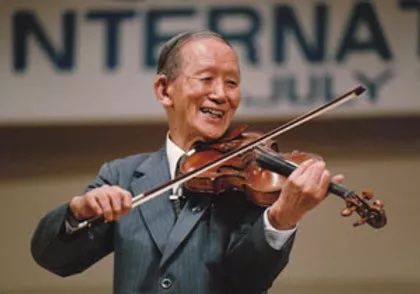
The Suzuki Method, developed by Japanese violinist Shinichi Suzuki, is a music education philosophy based on the belief that all children can learn to play music in a nurturing environment, similar to how they learn their native language. It emphasizes early initiation, constant listening, parental involvement, and repetition, prioritizing musical ear development over reading music initially.
Reed Music Studios is fortunate to have four excellent Suzuki trained instructors:
Pam Hughes and Alex Pehling, violin
Sue Ellen Dubbert, piano
Eric Miller, cello.
Key principles of the Suzuki method include:
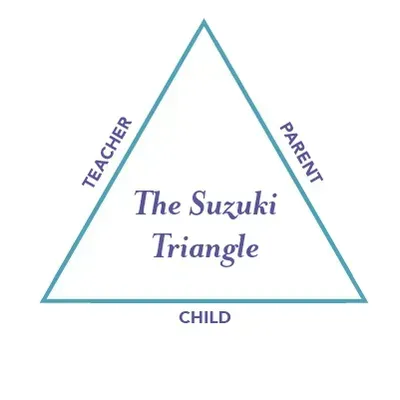
- The Suzuki Triangle: A collaboration between teacher, parent, and child, where parents attend lessons, take notes, and supervise daily home practice.
- "Mother Tongue" Approach: Just as children learn to speak before reading, Suzuki students learn to play by ear, listening to recordings and music daily before learning to read music notation.
- Early Beginnings: Training often starts at age 3 or 4, though listening can begin in utero.
- Group and Private Lessons: Private lessons focus on individual technique, while group classes provide a fun, non-competitive, and social learning environment.
- Review and Repetition: Students constantly review past pieces to refine their skills and technique, rather than discarding them after learning.
- Goal of Nurturing: The aim is to create, not only professional musicians, but to foster "nobler," loving human beings through musical education.
Starting in June 2026, Alex Pehling will offer “Wee Violin” classes (forty-minute classes) for children ages 3-5 on weekday mornings. Parents are required to attend the class with their child.